Image
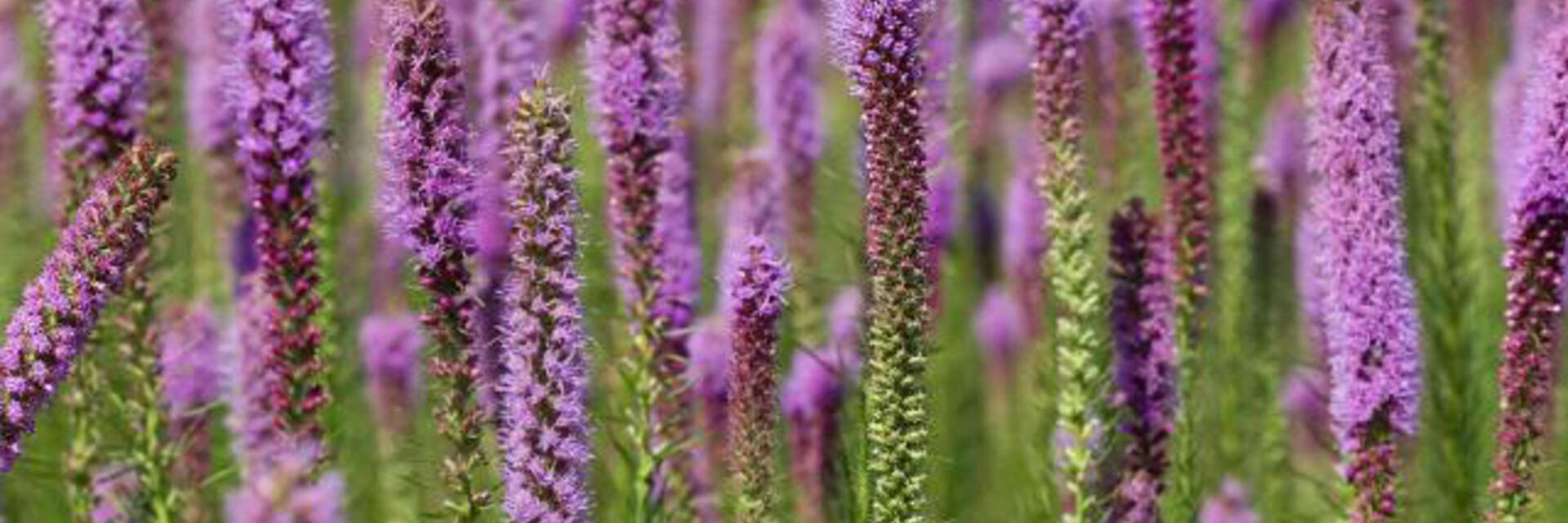

This project seeks to continue our mission to educate and inspire a love of learning in our visitors out the front doors of our museum and onto the grounds of the park.
The Joplin History & Mineral Museum is excited to be collaborating with U.S. Fish & Wildlife and our community partners to boost the native Missouri ecosystem on museum grounds. We are beginning this project by filling our flower beds with native flowers and returning the areas on the north and south ends of our building to native prairie by integrating grasses, sedges, and a variety of flowers. The next phase of the project, to be continued in the coming years, will see our organization extend the native footprint into the Mining Machinery Yard, east of the museum, and scattered throughout the rest of Schifferdecker park.
This mural project was funded and created entirely by community members. It extends the museum's educational mission outside the museum doors and onto the grounds. The mural is part of the museum's Prairie Project to integrate Missouri native plants back into the park. It took over 25 hours to install and the participation of 40 local art students from area high schools. The museum hopes the mural will help share the importance of Joplin native plants that require less care, less resources, feed our soil, slow down erosion, and provide nectar, pollen, and seeds that serve as food for native butterflies, insects, birds and other animals.
Students of the Carl Junction (CJ) High School Visual Arts Department, with special thanks to student designers Avari Fifer and Olivia Wobken, were led by CJ High School Visual Arts teacher and artist, Nellie Mitchell and Visual Arts teacher Amber Davidson to install the mural. Mural site preparation was done by the Baxter Springs National Honor Society and led by Family & Consumer Science teacher, Leslie Bowman. Materials were sponsored by a generous grant from Casey's Cash for Classrooms, Spectrum Paint, ABE Paint Team, and Ozark Center Comprehensive Behavioral Health Services.
Using supplies graciously donated by a generous grant from Casey's Cash for Classrooms, Spectrum Paint Co. , Ozark Center, and the ABE Paint Team, the Baxter Springs Honor Society got the first step knocked out!
Students from the Carl Junction Visual Arts Department, led by their teacher Nellie Mitchell, spent a "night at the museum" to project the mural outline onto the wall and sketch it out in pencil
This portion of the mural installation took two days, 35 Carl Junction art students, two teachers, and lots of snacks to complete
To accompany the reintegration of native life, we plan to incorporate educational materials, sculpture, and other artistic elements throughout the outdoor space to provide the opportunity for museum visitors to learn about Missouri wildlife, the importance of pollinators, and how they can add natives to their own garden spaces.
November - December
December - February
April - May
September - October
May - July 2022
December 2022 - February 2023
April - May 2023
2023